Cosmetic Products: Who Are the Key Institutional Stakeholders in the Sector?
18 September 2026
Cosmetics Brand Valuation: What Buyers Really Pay in 2026
28 September 2026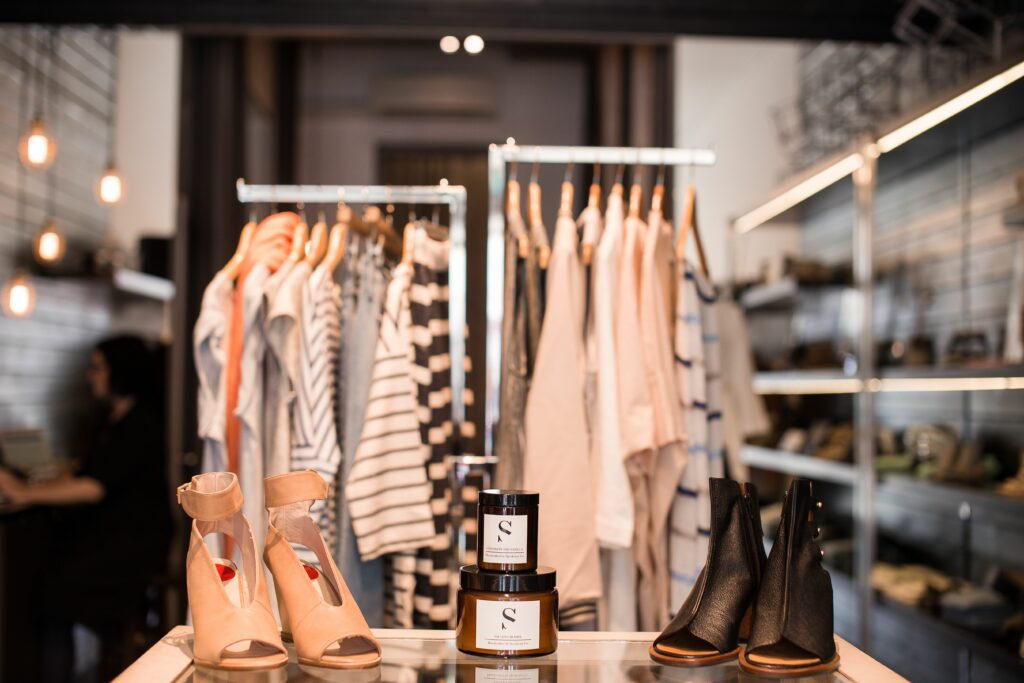
A runway show that lives on in a bottle, a couture house that signs its own lipstick, a home décor retailer that scents its universe: beauty has become the natural extension of fashion and lifestyle brands. For a brand that has already built an identity, a community and creative know-how, cosmetics seem an obvious next step. They make it possible to reach a wider audience, to keep the brand present every day in the bathroom or the handbag, and to create repeat purchases that ready-to-wear or home décor rarely offer. Yet between ambition and success lies a strategic decision that many underestimate: how do you launch a beauty brand when you do not come from cosmetics, and who should you do it with?
In short: a fashion or lifestyle brand can enter beauty through three routes: a licence granted to a major group, an equity and industrial partnership, or its own brand. The more a brand delegates, the faster it moves and the more industrial expertise it gains, but the less control it keeps; the more it does in-house, the more control it has, but the more it must invest. The right choice depends on the brand’s awareness, its available capital and its real appetite for the cosmetics business.
Why fashion and luxury are turning to beauty
According to the Altagamma observatory and Bain & Company, personal luxury goods are expected to grow by 2 to 4% in 2026, after a broadly stable 2025 at around €358 billion according to their estimates. In this context of moderate growth, luxury houses are looking for growth drivers that do not depend solely on selling high-priced pieces. Beauty fits this logic: a fragrance, a lipstick or a skincare product costs less than a bag or a coat, which opens the brand’s universe to a wider clientele, and they are bought again and again, which builds a lasting relationship with the customer.
Beauty also acts as a showcase. A cosmetic product is photogenic, easy to share and to stage on social media, where content creation has become a major driver of awareness. For a brand whose aesthetic is its main asset, this daily visibility is invaluable. It explains why so many designers, home décor brands, lifestyle retailers and even online personalities are now considering their own range of skincare, make-up or fragrances.
Two recent strategies: Jacquemus with L’Oréal, Marc Jacobs with Coty
In February 2025, L’Oréal Groupe announced a long-term exclusive agreement with Jacquemus to develop its beauty business, together with a minority investment in the house, which retains its independent development. The financial terms were not disclosed. This structure is interesting because it combines two things: an industrial partner that brings research, production, distribution and knowledge of luxury, and an equity stake that aligns both parties’ interests over time. The house, for its part, keeps control of the creative universe and the brand’s voice, which are precisely what customers buy.
Marc Jacobs Beauty illustrates another, more traditional approach: licensing. Coty already held the brand’s fragrance licence and extended it to make-up in 2023. According to the trade press (Cosmetics Business, Global Cosmetics News), the line was relaunched in 2026, with a launch on 28 May, first on the brand’s website and then with selective retailers. In this model, the fashion brand focuses on creation and image, while the licensee handles industrialisation, logistics and relationships with retailers. Neither example proves that one model is better than the other: they show that the right structure depends on how much control the brand wants to keep and how many resources it is prepared to commit.
Licence, partnership or own brand: how to choose?
Before choosing, you need to understand what each option actually involves, because the differences go well beyond how revenue is shared. They concern control over creation, intellectual property, speed to market, cash requirements and the skills to bring in-house. Here are the three most common models:
- Licensing: a cosmetics group manufactures, distributes and sells under your brand in exchange for royalties. It is the fastest and least financially risky route, but control over the product, the timetable and distribution is shared, or even limited by the contract.
- Partnership with an equity stake: a manufacturer joins forces with you, sometimes by taking a stake in your capital. The commitment is stronger and aligns long-term interests, but it involves more complex negotiations and careful thought about the brand’s future.
- Own brand: you run everything, from formulation to distribution, relying on manufacturers and experts. Control is at its highest, but so are the investment, the lead times and the skills you need to build.
To decide, it helps to ask five simple but demanding questions. An honest answer to each one often guides the choice better than a detailed financial analysis:
- Is your brand strong enough to sell beauty without a flagship fashion product to draw customers in?
- What budget and timeframe can you devote to a first launch?
- Who will own the intellectual property (brand, formulas, designs)?
- Which distribution channels are you targeting: your own website, stores, perfumeries, e-commerce?
- Which markets are you targeting (France, Europe, the United Kingdom, the United States), and with which teams?
Whatever model you choose, several points deserve careful negotiation in the contract: the term and exclusivity of the agreement, the territories covered, the level of royalties, the brand’s right of review over creation and communication, the exit conditions, and what happens to formulas and stock at the end of the collaboration. These clauses determine the real value of the deal far more than the headline royalty rate alone.
Launching a cosmetics range without a cosmetics background?
For a fashion, home décor or lifestyle brand, the most common pitfall is to treat beauty as a simple collection extension. A cosmetic product is not just another accessory: it is applied to the skin, with its own development cycle, suppliers, tests, documentation and responsibilities. The calendar of a fashion collection, driven by the seasons, does not match that of a cosmetic product, and commercial promises made too early can collide with the reality of development.
The brands that succeed in entering beauty are often those that accept they are learning a new trade and surround themselves early on with people who know it: formulators, manufacturers, compliance experts, distribution specialists. Taking the time to frame the project before freezing the design, the name and the timetable avoids costly corrections and protects the brand’s image, which remains its most valuable asset.
Clear’s perspective
Clear, an EU / UK / US cosmetic regulatory compliance firm, supports brands of every size, including designers and companies that are new to the sector. One observation comes up again and again in this work: the decisions made early on about the model (licence, partnership or own brand) determine who bears responsibility for the product on the market. In a licence or a partnership, it is therefore worth specifying in the contract who takes on the role of Responsible Person and who holds the Product Information File (PIF), to avoid grey areas between the brand and its partner.
To find out more about the marketing and business challenges of the sector, visit our cosmetics industry page. On protecting your commercial identity, an essential point when a brand lends its name to a partner, our brand protection page sets out our approach. And if you would rather strengthen your teams without hiring, discover our regulatory resource delegation offer.
Frequently asked questions
Can a fashion brand launch its own beauty line without any cosmetics experience?
Yes, provided it surrounds itself with industrial and regulatory partners from the outset. Licensing and partnerships are the most common ways to limit risk, but an own brand remains possible with the right manufacturers and the right experts. The key is not to improvise on the points that engage the product’s liability.
What is the difference between a licence and a partnership in beauty?
Under a licence, a group exploits your brand in return for royalties, within a framework set by contract. In a partnership, you share more of the development and sometimes the capital, which implies a deeper commitment on both sides. The first is simpler to set up; the second is more structuring over the long term.
Who is responsible for a cosmetic product sold under licence?
The allocation of roles, including that of Responsible Person, is defined by contract between the brand and its licensee. It is advisable to formalise it before launch and to check who keeps the product documentation. This point is often overlooked, even though it determines whether the product can be placed on the market.
Considering a licence, a partnership or your own brand? Contact Clear to secure your launch project in Europe, the United Kingdom and the United States.